.gtr-container-x7y8z9 {
font-family: Verdana, Helvetica, "Times New Roman", Arial, sans-serif;
color: #333;
line-height: 1.6;
padding: 15px;
font-size: 14px;
}
.gtr-container-x7y8z9 h2 {
font-size: 18px;
font-weight: bold;
color: #0000FF;
margin-top: 25px;
margin-bottom: 15px;
padding-bottom: 5px;
border-bottom: 1px solid #e0e0e0;
}
.gtr-container-x7y8z9 h3 {
font-size: 16px;
font-weight: bold;
color: #0000FF;
margin-top: 20px;
margin-bottom: 10px;
}
.gtr-container-x7y8z9 p {
margin-bottom: 1em;
text-align: left !important;
}
.gtr-container-x7y8z9 strong {
font-weight: bold;
color: #0000FF;
}
.gtr-container-x7y8z9 em {
font-style: italic;
}
.gtr-container-x7y8z9 img {
height: auto;
display: block;
margin: 15px 0;
}
.gtr-container-x7y8z9 table {
width: 100%;
border-collapse: collapse !important;
margin: 20px 0 !important;
font-size: 14px !important;
border: 1px solid #0000FF !important;
}
.gtr-container-x7y8z9 th,
.gtr-container-x7y8z9 td {
border: 1px solid #0000FF !important;
padding: 10px !important;
text-align: left !important;
vertical-align: top !important;
word-break: normal !important;
}
.gtr-container-x7y8z9 th {
background-color: #e6e6ff;
font-weight: bold !important;
color: #0000FF;
}
.gtr-container-x7y8z9 tr:nth-child(even) {
background-color: #f9f9f9;
}
.gtr-container-x7y8z9 ul,
.gtr-container-x7y8z9 ol {
margin: 15px 0 15px 20px;
padding: 0;
list-style: none !important;
}
.gtr-container-x7y8z9 ul li {
position: relative;
padding-left: 20px;
margin-bottom: 8px;
list-style: none !important;
}
.gtr-container-x7y8z9 ul li::before {
content: "•" !important;
color: #0000FF;
font-size: 1.2em;
position: absolute !important;
left: 0 !important;
top: 0;
}
.gtr-container-x7y8z9 ol li {
position: relative;
padding-left: 25px;
margin-bottom: 8px;
list-style: none !important;
}
.gtr-container-x7y8z9 ol li::before {
content: counter(list-item) "." !important;
color: #0000FF;
font-weight: bold;
position: absolute !important;
left: 0 !important;
top: 0;
width: 20px;
text-align: right;
}
.gtr-container-x7y8z9 .gtr-table-wrapper {
overflow-x: auto;
margin: 20px 0;
}
@media (min-width: 768px) {
.gtr-container-x7y8z9 {
padding: 25px;
}
.gtr-container-x7y8z9 h2 {
font-size: 20px;
}
.gtr-container-x7y8z9 h3 {
font-size: 18px;
}
}
진정으로 테스트해야 할 것은 "일단 연소가 시작되면 얼마나 위험한가?"입니다. "합격/불합격"이라는 이분법적 평가에서 "위험 정도"에 대한 정량적 평가로의 전환은 국가 표준의 패러다임 전환을 의미하며, 건축 자재 산업 전반에 걸쳐 화재 안전 프레임워크를 재편합니다.
🔥 이런 시나리오를 상상해 보세요. 건축 자재 샘플이 실험실로 보내집니다. 10초 조금 넘게 불꽃에 노출된 후 제거되는데, 불꽃이 저절로 꺼집니다. 시험 보고서에는 "내화성 - 적합"이라는 도장이 찍힙니다.
하지만 만약 이 화재가 실제 침실에서 발생한다면 어떻게 될까요? 점화 후 첫 1~2분 안에 수백 킬로와트의 열을 방출하여 방의 온도를 "플래시오버" 임계점을 넘어설 것입니다. 이 "적합"이 거주자의 안전을 여전히 보장할 수 있을까요?
이것이 바로 2026년에 광범위하게 시행될 새로운 국가 표준이 해결하고자 하는 문제입니다.
내화 시험은 단순히 재료가 "탈 수 있는지"를 측정하는 것이 아니라, 일단 연소가 시작되면 "얼마나 위험해지는지"를 평가해야 합니다.
SL-FL76 수직 연소 시험기
2026년에 집중적으로 발표되는 새로운 국가 표준은 완전히 새로운 해답을 제공합니다.
I. 2026년: 내화 시험의 "패러다임 전환"의 해
수십 년 동안 전통적인 내화 시험은 "탈 수 있는가?"라는 한 가지 질문에 집중했습니다. 즉, 점화 후 재료가 자체 소화되는지, 탄화된 길이가 얼마나 되는지, 연기 온도가 얼마나 높은지 등입니다. 이 논리는 본질적으로 정성적 판단, 즉 적격/부적격이라는 이분법적 선택입니다.
2026년에 발표 및 시행되는 다수의 국가 표준은 산업을 "정성적"에서 "정량적"으로의 심오한 변화로 이끌었습니다. 핵심적인 변화는 한 문장으로 요약될 수 있습니다.
더 이상 "점화되는가?"에 답하는 것이 아니라, 얼마나 빨리 타는지, 얼마나 많은 열을 방출하는지, 얼마나 많은 연기를 생성하는지, 그리고 연기가 독성이 있는지 정확하게 계산합니다.
다음 네 가지 표준이 이 업그레이드의 중추를 이룹니다.
표준 번호
이름
핵심 시간 노드
핵심 변경 사항
GB/T 20284-2026
단일 연소 항목 (SBI) 시험
2026-10-01 전면 시행
정량적 지표 FIGRA, THR, SMOGRA 도입
GB/T 16172-2026
열 방출률 및 연기 발생률
2026-01-28 발표; 2026-08-01 시행
콘 열량계 방법; 연기 발생률 측정 신규 추가
GB/T 8625-2026
난연성
2026년 시행
손상 길이 및 연기 온도 외 열 방출 매개변수 도입
GB 8624-2025
연소 거동 분류
2025년 발표; 2026년 발효
4차원 시스템: 연소 + 연기 + 낙하물 + 독성
1) GB/T 20284-2026 - 단일 연소 항목 시험 (SBI)
구 버전 대비 주요 발전 사항은 더 이상 단순히 "연소되었는지"를 보는 것이 아닙니다. 대신, 위험을 직접 비교 평가할 수 있는 일련의 숫자, 즉 화재 성장률 지수(FIGRA), 총 열 방출량(THR), 연기 성장률 지수(SMOGRA)를 출력합니다.
SL-FL13 단일 연소 항목 시험기 (SBI)
2) GB/T 16172-2026 - 콘 열량계 방법
산소 소비 원리를 기반으로 합니다. 이 방법은 재료가 소비하는 산소량을 측정한 다음 열 방출량(1kg의 산소 연소 시 약 13.1MJ의 열 방출)을 역산합니다. 열 방출률(HRR)과 연기 발생률(SPR)을 연속적이고 동적으로 측정할 수 있습니다.
구 버전은 열 방출률에만 초점을 맞췄지만, 신 버전은 연기 특성 시험을 추가하여 "연기 위험"에 대한 오랜 격차를 해소했습니다.
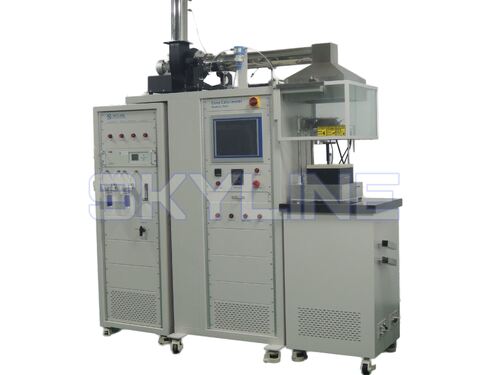
SL-FL01 건축 자재 콘 열량계
3) GB/T 8625-2026 - 난연성 시험
이 표준은 또한 열 방출 매개변수를 도입하여 전통적인 난연성 시험의 "탄화 길이 및 연기 온도"라는 좁은 초점에서 벗어나 "난연성"에 대한 다차원적인 정의를 제공합니다.
SL-FL03 열 방출률 시험기
4) GB 8624-2025 - 연소 성능 분류
이것은 전체 평가 시스템의 "마스터 프레임워크"입니다. 재료의 등급을 "점화되는가?"라는 단일 차원에서 네 가지 차원으로 확장합니다.
연소 특성 (A, B1, B2, B3 등)
연기 발생 특성 (s1 / s2 / s3 - 연기가 적을수록 등급이 높음)
연소 낙하물 (d0 / d1 / d2 - 점화 가능한 용융 낙하물의 존재)
연기 독성 (t0 / t1 / t2 - 독성이 낮을수록 등급이 높음)
재료가 높은 등급을 달성하려면 단순히 "점화되지 않는 것"만으로는 충분하지 않습니다. 또한 저연기, 비낙하, 저독성이어야 합니다.
SL-FL75 건축 자재 연기 밀도 화재 시험기
SL-FL87 건축 자재 연소 발열량 시험기
II. 핵심 생명 구조 기술 용어
HRR (열 방출률):단위 시간당 방출되는 열량, 킬로와트(kW) 단위. 가장 중요한 위험 지표이며, HRR이 높을수록 화재 확산 속도가 빠르고 대피 창이 짧아집니다.
FIGRA (화재 성장률 지수):화재의 "가속도", kW/s 단위로 표시됩니다. FIGRA가 낮을수록 사람들이 대피할 시간이 더 많습니다.
THR (총 열 방출량):시간에 따른 HRR의 적분값, 메가줄(MJ) 단위. 열이 많을수록 구조물이 붕괴될 가능성이 높습니다.
SMOGRA (연기 성장률 지수):연기 생성 속도를 측정합니다. 짙은 연기는 시야와 대피 경로를 차단합니다.
플래시오버:국소 화재가 전실 화재로 확대되는 임계점으로, 온도가 500-600°C까지 급증합니다.
III. "탈 수 있는가?"보다 "얼마나 위험한가?"가 더 중요한 이유
처음 질문으로 돌아가 봅시다. 실제 화재에서 열 방출률(HRR)은 거의 모든 것을 결정합니다. 화재 확산 속도, 대피 창 길이, 소방/구조 난이도를 직접적으로 결정합니다.
이 비교를 고려해 보세요:
재료 A: 불꽃 제거 후 자체 소화 (전통적으로 "내화성"), 최대 HRR이 50 kW/m²에 불과합니다.
재료 B: 불꽃 제거 후 자체 소화 (또한 "내화성"), 그러나 최대 HRR은 300 kW/m²로 높습니다.
두 재료 모두 "수직 연소 시험"을 통과했습니다. 그러나 실제 화재에서 재료 B는 몇 분 안에 방을 플래시오버 상태로 만들겠지만, 재료 A는 거주자에게 귀중한 대피 시간을 더 줄 수 있습니다.
"탈 수 있는가?"는 불이 얼마나 쉽게 붙는지 알려줄 뿐이며, "탈 때 얼마나 위험한가?"는 불이 얼마나 치명적인지를 알려줍니다.
연기와 독성은 훨씬 더 중요합니다. 소방 통계에 따르면 화재 사망자의 대다수는 화상 때문이 아니라 일산화탄소, 시안화수소, 고온의 짙은 연기를 흡입하여 질식사하는 것으로 나타납니다. 이것이 바로 새로운 국가 표준이 "연기 발생 특성"과 "연기 독성"을 별도로 평가하는 이유입니다. 화재 자체는 죽이지 않을 수 있지만, 연기는 죽입니다.
이것이 2026년 국가 표준의 핵심 논리입니다. "합격/불합격"에서 "얼마나 위험한가?"로의 업그레이드입니다.
구 패러다임 vs. 신 패러다임
차원
구 패러다임 ("탈 수 있는가?")
신 패러다임 ("탈 때 얼마나 위험한가?")
판단
적격 / 부적격
정량적 점수
핵심 지표
자체 소화, 탄화 길이, 연기 온도
HRR, FIGRA, THR, SMOGRA, 독성, 낙하물
초점
점화 용이성
화재 성장, 열 방출, 연기 위험
실제 의미
불이 얼마나 쉽게 붙는지 여부
불이 붙었을 때 사람들이 생존할 수 있는지 여부
IV. 기업이 직면할 세 가지 난관
1) 탐지 표준 - 포괄적인 장비 전환 운영"자동 기어 변속 감지"에 대한 GB/T 20284-2006과 같은 기존 표준은 점차 구식이 될 것입니다. 외벽 단열재 제조업체, 실내 장식 건축 자재 제조업체, 방화 시스템 제조업체를 포함한 전체 산업 체인의 기업은 새로운 표준에 대한 "재시험 및 인증 갱신 절차"를 신속하게 완료해야 합니다. 그렇지 않으면 제품이 규정 준수 관련 장애물에 직면할 수 있습니다.
2) 시험 장비 업그레이드 필요새로운 표준은 새로운 방법뿐만 아니라 새로운 장비도 요구합니다. 일반적인 장비 목록:-콘 열량계: 열 방출률(HRR) 및 연기 발생률(SPR) 측정; -단일 재료 연소 시험 설비(SBI): FIGRA, SMOGRA, 총 열 방출률과 같은 핵심 데이터 출력; -난연성 시험로: 고온에서 재료의 연소 경향 평가; -바닥재 복사 연소 시험 설비: 수평으로 깔린 포장재의 화염 전파 평가.
SL-FL07 난연성 시험 장치
SL-FL05 바닥재 복사열 유속 화재 시험기
3) 규정 준수 임계값 대폭 상향:
건축 단열재에 대한 의무 국가 표준인 GB 46520-2025는 2026년 8월 1일에 발효되었으며, 연기 특성 등급은 S2 이상, 연소 낙하물 등급은 D1 이상, 배가스 독성 등급은 T1 이상이어야 함을 명시적으로 요구합니다. 이러한 임계값은 "권장 사항"이 아니라 "레드 라인"입니다.
V. 글로벌 관점
중국 표준은 섬이 아닙니다. 수출 지향적이고 벤치마크 지향적인 기업에게는 주류 국제 시스템을 이해하는 것이 특히 중요합니다.
ISO (국제 표준화 기구)
전 세계적으로 인정되는 기준선으로, 종종 개별 국가에서 직접 채택하거나 조정합니다.
ISO 1182 - 난연성 시험ISO 1716 - 연소열 측정
ISO 11925-2 - 직접 불꽃 하에서의 연소성
ISO 5660-1 - 콘 열량계 방법 (열 방출, 연기)
ISO 9705 - 실물 크기 화재 시험
ISO 834-1 - 내화성 (표준 화재 노출)
ISO 5659-2 - 연기 밀도 시험
ISO 9239-1 - 바닥재의 화염 확산
EN (유럽)
통합 EU 시장 접근 시스템으로, 가장 엄격한 분류 프레임워크(A1-F)를 갖추고 있습니다.
EN 13501-1 - 건설 제품의 화재 분류 (A1-F)
EN 13823 (SBI) - 단일 연소 항목 시험
EN 16733 - 연속 연소 시험
ASTM / NFPA (미국)
"실제 화재 시나리오" 지향적인 북미 주류 접근 방식입니다.
ASTM E84 (NFPA 255) - 슈타이너 터널 방법 (화염 확산 + 연기 밀도)
ASTM E119 - 내화성
ASTM E136 - 750°C 수직 튜브로 연소성
ASTM E162 - 복사열 하에서의 표면 가연성
NFPA 285 - 외벽 조립체의 화재 전파
BS (영국 표준)
영연방 전역에서 널리 사용되며 오랜 역사를 가지고 있습니다.
BS 476 시리즈: 난연성(476-4), 화재 전파(476-6), 표면 화염 확산(476-7), 지붕 화재 시험(476-3)
DIN (독일)
유럽의 중요한 참고 자료로, 엄격함으로 유명합니다.
DIN 4102-1 - 건축 자재의 화재 분류 (연소, 연기, 독성)
건축 자재 및 방화 기업에게 새로운 표준은 규정 준수 압력이자 제품 역량 업그레이드의 기회입니다. "위험"을 한 단계 더 일찍 명확하게 정량화하면 안전을 한 단계 더 일찍 손안에 넣을 수 있습니다.
SKYLINE Instruments는 거의 20년 동안 연소 시험 분야에 깊이 관여해 왔습니다. 이 회사의 장비 솔루션은 여러 국가에서 연소 프로젝트에 사용되었으며, 위에서 언급한 주류 표준(ISO / EN / ASTM / NFPA / BS / DIN 및 중국 GB 시스템)을 포괄하는 시험 장비와 기술 지원을 제공하여 다양한 시장의 규정 준수 요구 사항을 자신 있게 충족할 수 있도록 지원합니다.
규정 준수 압력을 제품 역량으로 전환
건축 자재 및 방화 기업에게 2026년 표준은 규정 준수 압력이자 기회입니다. SKYLINE Instruments는 거의 20년 동안 연소 시험 분야에 깊이 관여해 왔습니다. 이 회사의 장비 솔루션은 여러 국가에서 연소 프로젝트에 사용되었으며, 주류 ISO, EN, ASTM, NFPA, BS, DIN 및 중국 GB 시스템을 포괄하는 시험 장비와 기술 지원을 제공하여 제조업체가 다양한 시장의 규정 준수 요구 사항을 자신 있게 충족할 수 있도록 지원합니다.
SKYLINE Instruments는 거의 20년 동안 연소 시험 분야에 전념해 왔습니다. 이 회사의 장비 솔루션은 수많은 국가에서 연소 프로젝트에 배치되었습니다. 저희는 귀하에게 앞서 언급한 주류 표준(ISO/EN/ASTM/NFPA/BS/DIN 및 중국의 GB 시스템)을 포괄하는 시험 장비와 기술 지원을 제공하여 다양한 시장의 규정 준수 요구 사항을 쉽게 충족할 수 있도록 합니다.


 귀하의 메시지는 20-3,000 자 사이 여야합니다!